Ultimate Guide to Buying a Note e-Power Hybrid in Kenya
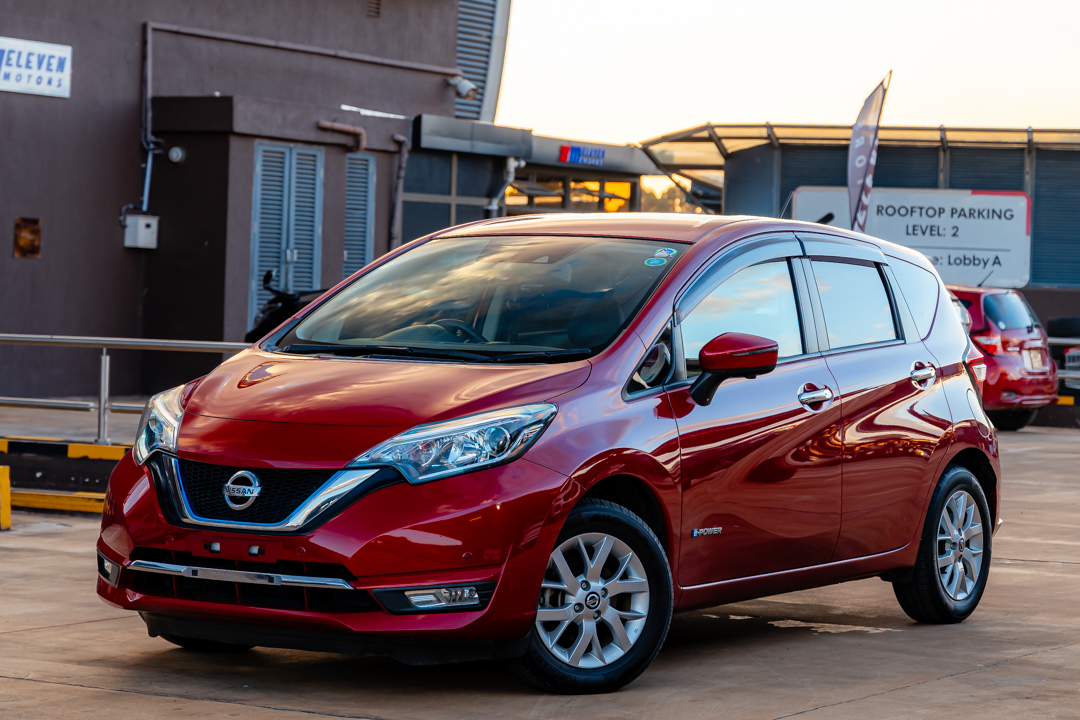
As the automotive landscape in Kenya evolves, hybrid cars like the Note e-Power are gaining traction. With a focus on sustainability, fuel efficiency, and reduced emissions, hybrids present a compelling alternative for environmentally conscious drivers. This guide will walk you through everything you need to know about purchasing a Note e-Power for sale in Kenya, including key considerations, benefits, and where to find the best deals. Whether you're a first-time buyer or looking to upgrade your vehicle, understanding the ins and outs of hybrid cars will empower you to make an informed decision. Let's dive into the world of hybrid vehicles!
What is the Note e-Power Hybrid?
The Note e-Power is a unique hybrid vehicle offered by Nissan that combines a gasoline engine with an electric motor. This hybrid system provides improved fuel efficiency without compromising on performance.
What is the average fuel consumption of the Note e-Power?
The Note e-Power typically offers fuel consumption ratings of around 20-25 km/l, making it an economical choice.
Can I import a Note e-Power?
Yes, you can import a Note e-Power through various channels, including Eleven Motors, which offers import services.
Are spare parts readily available for the Note e-Power?
Yes, spare parts for the Note e-Power are generally available through authorized dealers and various auto parts stores.
What is the warranty for a new Note e-Power?
New Note e-Power vehicles typically come with a manufacturer warranty that covers several years or kilometers, depending on the dealership.
How does hybrid technology impact resale value?
Hybrid vehicles often maintain their value well due to growing demand for fuel-efficient cars, making them a sound investment.
What Are the Key Factors to Consider When Buying a Car?
When purchasing a car, consider your budget, purpose, fuel efficiency, and maintenance costs. Assessing these factors will help you make an informed decision that aligns with your lifestyle and financial situation.
Budgeting for Your Vehicle
Your budget is the most crucial factor when buying a car. Determine how much you can afford by considering not just the purchase price but also insurance, fuel, and maintenance costs. Financing options like loans or leasing can also affect your overall budget.
Assessing Your Needs
Identify the primary purpose of the vehicle. Are you commuting, transporting family, or off-roading? Your needs will dictate the type of car you should consider, whether it's a sedan, SUV, or a compact car.
Should You Buy New or Used Cars?
Choosing between new and used cars depends on your budget and preferences. New cars come with warranties and the latest technology, while used cars can offer better value for money.
Advantages of Buying New Cars
Buying a new car often provides peace of mind with warranties and the assurance of reliability. Additionally, new cars feature the latest technology and safety features, ensuring a modern driving experience.
Benefits of Buying Used Cars
Used cars typically come at a lower price point, allowing you to get better value for your money. They also depreciate slower than new cars, meaning you won’t lose as much value when you decide to sell.
How Do You Research Cars Effectively?
Effective research involves reading reviews, comparing models, and visiting dealerships. Online platforms can provide insights into price trends and vehicle reliability, helping you make an informed choice.
Utilizing Online Resources
In-Person Dealership Visits
Visiting dealerships allows you to test drive various models and ask professionals questions. It’s also an opportunity to inspect the vehicle closely, ensuring it meets your expectations in terms of comfort and features.
What Are the Best Financing Options for a Car Purchase?
Financing options include bank loans, dealership financing, and leasing. Each has its pros and cons, depending on your financial situation and credit history.
Bank Loans vs. Dealership Financing
Bank loans often provide lower interest rates than dealership financing, making them a preferable option for many buyers. However, dealerships might offer promotions or incentives that can make their financing competitive.
Leasing a Vehicle
Leasing allows you to drive a new car without the commitment of ownership. Monthly payments are generally lower, but you’ll need to adhere to mileage limits and return the car after the lease period.
What Is the Importance of a Vehicle History Report?
A vehicle history report provides crucial information about a used car’s past, including accidents, title issues, and service history. This report can help you avoid potential pitfalls when purchasing a pre-owned vehicle.
Understanding the Vehicle History Report
The report reveals essential data such as previous ownership and service records. By knowing the vehicle's history, you can make a more informed decision and potentially negotiate a better price based on any issues that may arise.
Where to Obtain Vehicle History Reports
Vehicle history reports can be obtained from services like Carfax or AutoCheck. It’s a small investment that can save you from making a costly mistake when buying a used vehicle.
How Do You Negotiate the Best Price?
Negotiating the price of a car involves research, confidence, and a willingness to walk away. Knowing the fair market value of the vehicle can give you leverage during negotiations.
Researching the Market Value
Before negotiations, research the fair market value of the car. Websites like Kelley Blue Book can provide insights into average prices, helping you to make an informed offer based on data.
Strategies for Effective Negotiation
Start with a lower offer and work your way up, remaining respectful and firm. Don't be afraid to walk away if the deal isn’t satisfactory, as this can sometimes lead the seller to offer a better price.
What are the Ongoing Costs of Owning a Car?
Ongoing costs include insurance, fuel, maintenance, and repairs. Understanding these expenses will help you budget effectively and avoid financial strain after purchasing your vehicle.
Insurance Costs
Insurance costs can vary based on the type of vehicle, your driving record, and your location. It's essential to shop around for the best rates and consider coverage options that fit your needs.
Maintenance and Repair Costs
Regular maintenance is crucial for vehicle longevity. Budget for oil changes, tire rotations, and unexpected repairs. Researching the reliability of the model can also help predict long-term maintenance costs.
How to Ensure You’re Buying a Reliable Vehicle?
Researching the reliability of a vehicle model is essential. Look for reputable sources that provide ratings and reviews based on owner experiences and expert assessments.
Checking Reviews and Ratings
Consumer Reports and J.D. Power offer detailed reliability ratings. Checking these resources can help you identify which models are less likely to face mechanical issues, ultimately saving you money and hassle.
Consulting with Mechanics
Before purchasing a used car, it’s wise to have it inspected by a trusted mechanic. They can identify potential issues that may not be visible during a standard inspection, providing peace of mind for your investment.
What Paperwork Is Required When Buying a Car?
Essential paperwork includes the vehicle title, bill of sale, and proof of insurance. Understanding the required documents will help streamline the buying process and ensure a smooth transfer of ownership.
Understanding the Title and Registration Process
The vehicle title shows ownership, while registration is necessary for legal operation on the road. Ensure that the seller has a clean title and that all necessary steps for registration are followed.
Importance of a Bill of Sale
A bill of sale acts as a legal document that confirms the transaction. It should include details like the vehicle identification number (VIN), purchase price, and signatures of both the buyer and seller, serving as proof of purchase.
How can I contact Eleven Motors for help?
Need assistance choosing or importing your next vehicle? Our team estimates taxes, timelines, and inspection requirements for your exact year and trim, then guides you from sourcing to handover in Nairobi or your town.
Frequently Asked Questions
What is the starting price for note e-power for sale kenya hybrid in Kenya?
Pricing varies by year, trim, mileage, and condition, but entry examples often start around KES 2–3 million.
How long does it take to import note e-power for sale kenya hybrid to Kenya?
Typical timelines range from five to eight weeks depending on vessel schedules and clearance.
Which inspections are required for note e-power for sale kenya hybrid?
Expect a valid roadworthiness inspection such as JEVIC plus KEBS compliance.
What duty and taxes apply for note e-power for sale kenya hybrid?
Customs valuation, age bracket, and engine size determine payable taxes; we estimate before shipping.
Is financing available for note e-power for sale kenya hybrid?
We can connect qualified buyers with partner lenders offering flexible repayment terms.
Does Eleven Motors assist after purchase of note e-power for sale kenya hybrid?
Yes, we advise on servicing, parts sourcing, and reputable workshops for smooth ownership.