Essential Guide to Car Buying in Kenya
Buying a car in Kenya is an exciting yet intricate process. With numerous options available, understanding the local market, financing, and legal requirements can be overwhelming. Whether you're a first-time buyer or looking to upgrade, it's crucial to be equipped with knowledge to make informed decisions. This guide will address common questions about purchasing a car in Kenya, covering everything from budget considerations to the necessary legal documentation. By the end, you’ll have a clearer path to navigating the car-buying journey in Kenya.
What types of cars can I buy in Kenya?
In Kenya, you can choose from various types of cars, including sedans, SUVs, hatchbacks, and trucks. Each category has its advantages, catering to different needs, such as family transport or commercial use.
Understanding Vehicle Categories
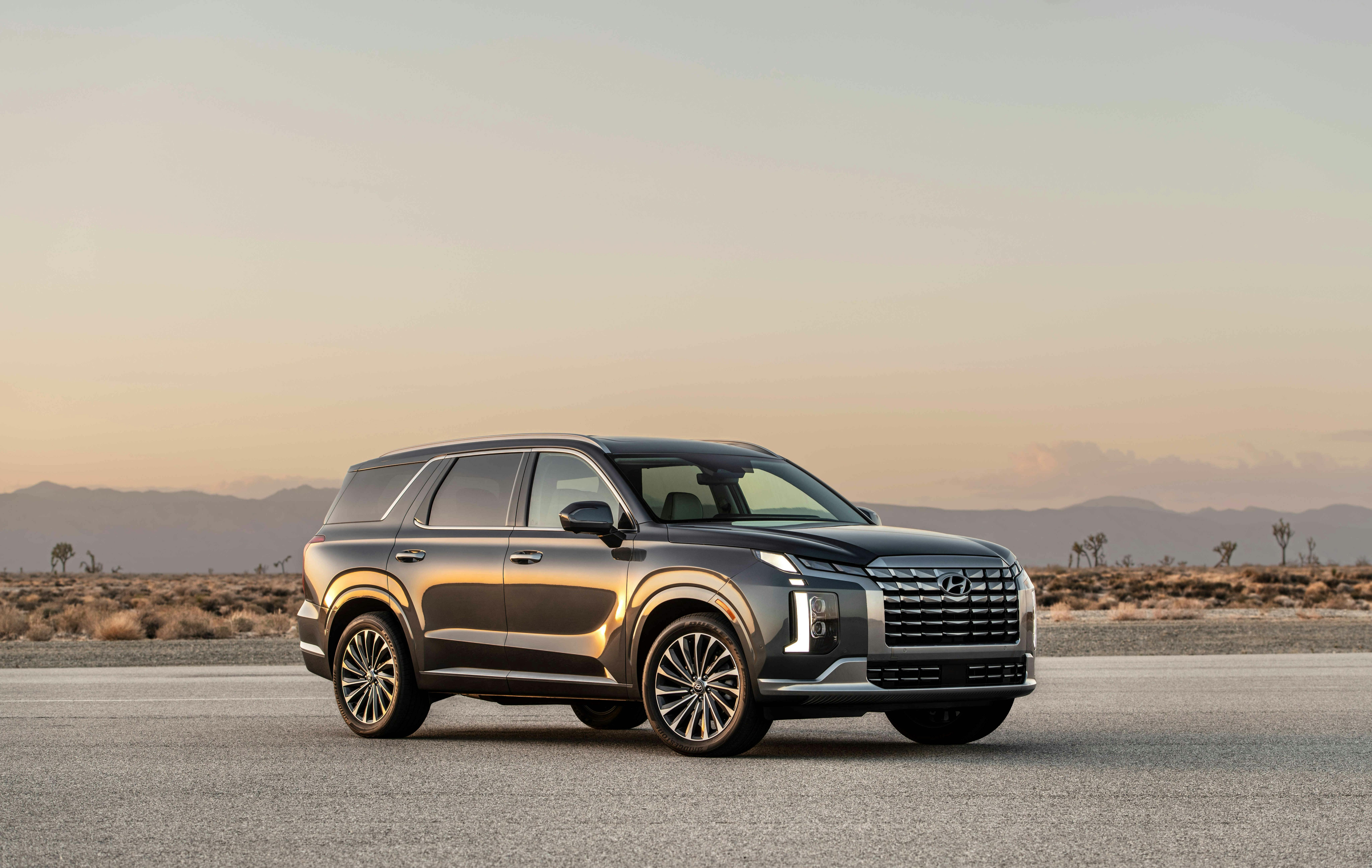
Sedans are popular for personal use, offering comfort and fuel efficiency. SUVs provide higher ground clearance and are ideal for rough terrains, making them suitable for adventurous terrains in Kenya. Hatchbacks are compact, making them perfect for city driving.
Importing Vehicles
You can also import vehicles, which allows access to a broader range of makes and models. Be sure to familiarize yourself with the regulations and customs valuations to avoid unexpected costs.
How do I determine my budget for buying a car?
Establishing a budget involves considering the vehicle price, insurance, maintenance, fuel, and taxes. Assess your financial situation and prioritize what you can comfortably afford without straining your finances.
Analyzing Total Cost of Ownership
The total cost of ownership includes not just the purchase price but also ongoing expenses like fuel, insurance, and maintenance. Understanding these will help you avoid financial strain in the long term.
Financing Options
Explore financing options, including bank loans, dealership financing, or saving up for a cash purchase. Each option has different implications for your budget and financial health.
What documents are required for purchasing a car?
Essential documents include your ID, proof of income, and a copy of the vehicle's logbook. Additionally, you may need to provide a tax compliance certificate and insurance details.
Importance of Documentation
Proper documentation ensures smooth transactions and legal compliance. It protects both buyer and seller and is crucial for registering the vehicle with the National Transport and Safety Authority (NTSA).
Verification of Vehicle Details
Always verify the vehicle's details against the logbook to avoid purchasing stolen or misrepresented vehicles. This step is vital in protecting your investment.
How can I check a car's history before buying?
To check a car's history, utilize services like the NTSA's e-citizen platform. This will provide information on ownership, roadworthiness, and any pending fines or accidents that might affect the purchase.
Utilizing Online Services
Online platforms offer a convenient way to access vehicle history. Ensure you have the vehicle's registration number handy for a detailed report that can inform your decision.
Importance of Vehicle Inspection
Conducting a physical inspection is equally important. Engage a mechanic to assess the vehicle’s condition, ensuring there are no hidden issues that could lead to costly repairs later.
What are the key factors to consider when choosing a car?
Key factors include the car's purpose, fuel efficiency, maintenance costs, and resale value. Assess your lifestyle and choose a model that best fits your needs and financial goals.
Assessing Your Lifestyle Needs
If you have a family, spacious vehicles like SUVs or minivans might be ideal. For urban commuting, compact cars offer maneuverability and parking ease. Always consider your daily driving patterns when choosing.
Fuel Efficiency and Resale Value
Fuel efficiency can significantly influence long-term costs. Additionally, consider the car's resale value; some brands maintain higher values over time, making them better investments.
How does the customs valuation process work in Kenya?
The customs valuation process involves assessing a vehicle’s worth for taxation purposes upon import. The Kenya Customs Valuation Book is essential in determining the correct tax rates applicable.
Understanding the Customs Valuation Book
The Kenya Customs Valuation Book provides guidelines and reference prices for various vehicle makes and models. Familiarizing yourself with this book can help in budgeting for import taxes effectively.
Engaging a Clearing Agent
For a smoother customs process, consider hiring a clearing agent who understands the intricacies of importation and can assist in navigating the regulations efficiently.
What are the tax implications of buying a car in Kenya?
When purchasing a car, you need to consider various taxes, including excise duty, VAT, and import duty. The total tax burden can significantly affect the final purchase price.
Calculating Your Tax Obligations
Understanding the specific tax rates applicable to your vehicle is crucial. Resources like the KRA website can provide current rates and calculators to estimate your total tax obligations.
Tax Incentives and Exemptions
Some vehicles may qualify for tax incentives or exemptions, especially electric or hybrid models. Check with KRA for any available programs that could lessen your tax burden.
Where should I buy a car in Kenya?
Cars can be purchased from dealerships, private sellers, or auctions. Each option has its pros and cons, so it’s essential to weigh them against your needs and comfort level.
Advantages of Dealerships
Buying from a dealership often comes with warranties and after-sales services, providing peace of mind. They also tend to have a variety of options and financing plans, simplifying the process.
Buying from Private Sellers
Purchasing from private sellers can lead to lower prices, but it requires more diligence in verifying the vehicle’s condition and history. Always conduct thorough checks to avoid scams.
What should I look for during a test drive?
During a test drive, pay attention to the vehicle's handling, braking, acceleration, and comfort. Ensure that the car meets your expectations in real-world conditions.
Assessing Comfort and Usability
Ensure the seating position is comfortable and that you can easily reach controls. Test the sound system and air conditioning, as these contribute to your overall driving experience.
Checking for Mechanical Issues
Listen for unusual noises, and pay attention to how the car responds to steering and braking. Any irregularities may indicate underlying issues that need addressing before purchase.
How do I finalize the purchase of a car?
To finalize the purchase, negotiate the price, ensure all documentation is in order, and proceed with payment. Afterward, complete the vehicle registration process with NTSA.
Negotiating the Purchase Price
Don’t hesitate to negotiate the price based on vehicle condition and market value. Be prepared with research to back up your offer and create a win-win situation.
Completing the Registration Process
Once the purchase is complete, register the vehicle with NTSA. This involves submitting the required documents and paying the necessary fees to obtain your logbook.
What are the insurance requirements for cars in Kenya?
In Kenya, third-party insurance is mandatory for all vehicles. However, it's advisable to consider comprehensive coverage for added protection against theft and damage.
Understanding Insurance Types
Third-party insurance covers damage to other vehicles and injuries to other parties in an accident. Comprehensive insurance provides broader coverage, including theft and natural disasters.
Choosing the Right Insurer
Compare insurance providers to find the best rates and coverage options. Reading customer reviews can also help identify reliable insurers who provide excellent service.
How can I maintain my car after purchase?
Regular maintenance is key to ensuring your vehicle's longevity. Schedule periodic checks and adhere to the manufacturer’s recommended service intervals.
Establishing a Maintenance Routine
Create a maintenance schedule that includes oil changes, tire rotations, and brake inspections. Regular checks can help catch potential issues before they escalate into costly repairs.
Finding a Trusted Mechanic
Establish a relationship with a reliable mechanic who understands your vehicle. Regular visits will keep your car in top shape and help you stay ahead of any maintenance needs.
What are the common pitfalls to avoid when buying a car?
Common pitfalls include rushing the decision, neglecting to check vehicle history, and failing to negotiate. Taking your time and conducting thorough research can prevent costly mistakes.
Importance of Patience
Rushing into a purchase can lead to buyer’s remorse. Take your time to compare options and ensure that the car meets your needs and budget before making a commitment.
Thorough Research
Conduct comprehensive research on pricing, vehicle condition, and seller reputation. Knowledge empowers you to make informed decisions and avoid scams.
What are the advantages of buying a used car?
Buying a used car can offer significant savings compared to new models. Additionally, they often incur lower insurance costs and have less depreciation.
Financial Benefits of Used Cars
Used cars usually come at a lower price point, allowing for budget-friendly purchases. They also tend to have lower registration fees and insurance costs, making them more economical overall.
Depreciation Considerations
New cars depreciate quickly, losing value within the first few years. In contrast, used cars have already absorbed this initial depreciation, making them a smarter investment for many buyers.
How can I contact Eleven Motors for help?Need assistance choosing or importing your next vehicle? Our team estimates taxes, timelines, and inspection requirements for your exact year and trim, then guides you from sourcing to handover in Nairobi or your town.
Frequently Asked Questions
What is the starting price for kenya customs valuation book in Kenya?
Pricing varies by year, trim, mileage, and condition, but entry examples often start around KES 2–3 million.
How long does it take to import kenya customs valuation book to Kenya?
Typical timelines range from five to eight weeks depending on vessel schedules and clearance.
Which inspections are required for kenya customs valuation book?
Expect a valid roadworthiness inspection such as JEVIC plus KEBS compliance.
What duty and taxes apply for kenya customs valuation book?
Customs valuation, age bracket, and engine size determine payable taxes; we estimate before shipping.
Is financing available for kenya customs valuation book?
We can connect qualified buyers with partner lenders offering flexible repayment terms.
Does Eleven Motors assist after purchase of kenya customs valuation book?
Yes, we advise on servicing, parts sourcing, and reputable workshops for smooth ownership.